

Food Processing Industry Voltage Sag Mitigation Case
The customer operates in agricultural product processing and food manufacturing, where production processes require continuous equipment operation and strict control of environmental cleanliness, temperature, and humidity.
Project Background
The customer operates in agricultural product processing and food manufacturing, where production processes require continuous equipment operation and strict control of environmental cleanliness, temperature, and humidity.
In food processing, unexpected equipment shutdowns caused by voltage sags may interrupt production and result in the disposal of materials already in process. For critical production areas, restoring the required environmental conditions before restarting production can also require significant time and operational resources.
Power Quality Challenges
Food processing involves multiple interconnected stages, including raw material handling, crushing and cutting, mixing, forming, drying, baking, freezing, and conveying. Since these processes are closely linked, the shutdown of critical equipment can affect subsequent production stages and cause significant disruption.
Meanwhile, ventilation, air-conditioning, and other environmental control systems require stable power to maintain appropriate production conditions. A voltage sag affecting these systems may compromise environmental control, particularly in areas with strict hygiene and clean-environment requirements.
INPOWER Solution
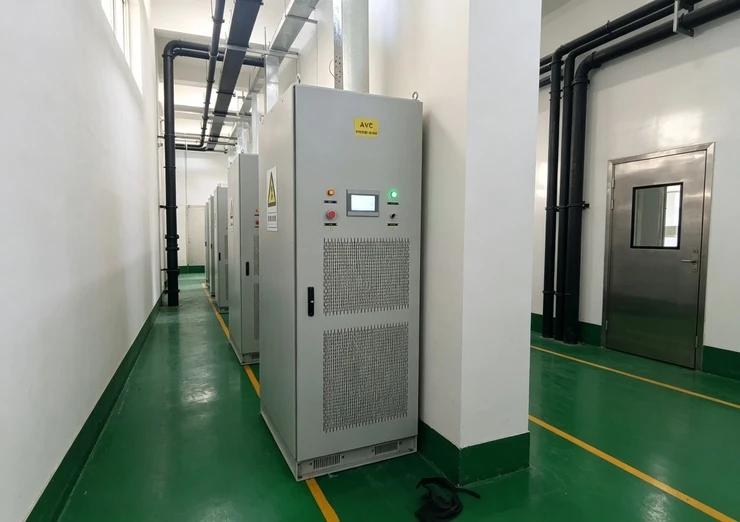
To support continuous and stable food production, INPOWER provided a dynamic voltage sag mitigation solution for critical loads at the production site.
The project utilized three 100 kVA units, each with a compensation duration of 3 seconds. The systems continuously monitor the supply voltage and provide rapid compensation during voltage sags, reducing the risk of equipment shutdown and helping maintain stable operation of critical production processes.
Project Benefits
The solution reduces the impact of voltage sags on production equipment and critical auxiliary systems, helping minimize material losses, production interruptions, and environmental recovery time while providing a more stable power supply for continuous food processing operations.

