

Harmonic Mitigation Case in Semiconductor Material Production
In semiconductor material production, critical equipment such as crystal growth furnaces and variable-frequency equipment requires a stable power supply for continuous operation. With the increasing use of power electronic equipment, harmonics generated during operation have become an important factor affecting power distribution system performance.
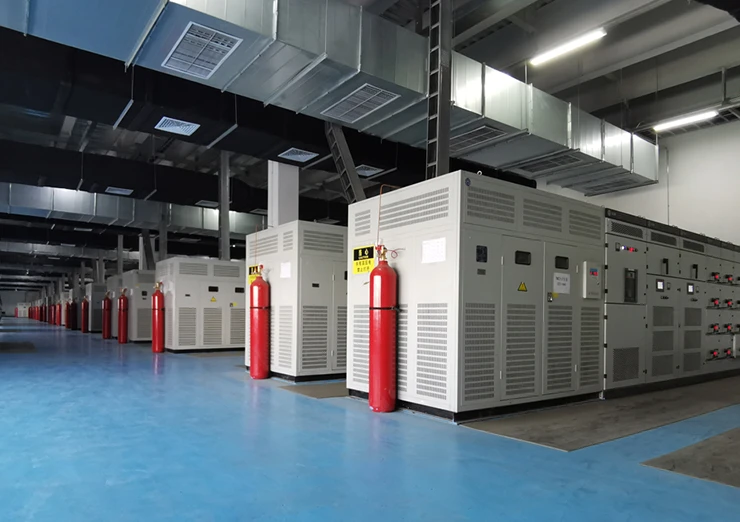
Project Background
In semiconductor material production, critical equipment such as crystal growth furnaces and variable-frequency equipment requires a stable power supply for continuous operation. With the increasing use of power electronic equipment, harmonics generated during operation have become an important factor affecting power distribution system performance.
In a semiconductor material production project, the production line was equipped with numerous crystal growth furnaces and variable-frequency processing equipment. Field measurements conducted by INPOWER engineers showed that the total current harmonic distortion (THDi) of the distribution system reached 30.41%, with significant 5th-, 7th-, 11th-, and 13th-order harmonic currents.
|
Harmonic Order |
RMS Harmonic Current |
|
5th |
463.4 A |
|
7th |
126.7 A |
|
11th |
76.7 A |
|
13th |
70.5 A |
Power Quality Challenges
Crystal growth furnaces and variable-frequency processing equipment widely used in semiconductor material production rely on power electronic conversion technologies such as rectification and inversion. However, nonlinear loads also generate harmonic currents during operation, which propagate through the power distribution system.
When multiple power electronic devices operate simultaneously, harmonic currents can accumulate in the distribution system, resulting in current waveform distortion and increased system losses. For continuous semiconductor manufacturing, persistent harmonic distortion can affect the stable operation of both the distribution system and production equipment, making targeted power quality mitigation necessary.
INPOWER Solution
To address the harmonic and reactive power issues identified on site, INPOWER implemented a comprehensive solution combining an Active Power Filter (APF) and a Static Var Generator (SVG).
Project configuration:
APF capacity: 4,800 A
SVG capacity: 9,600 kvar
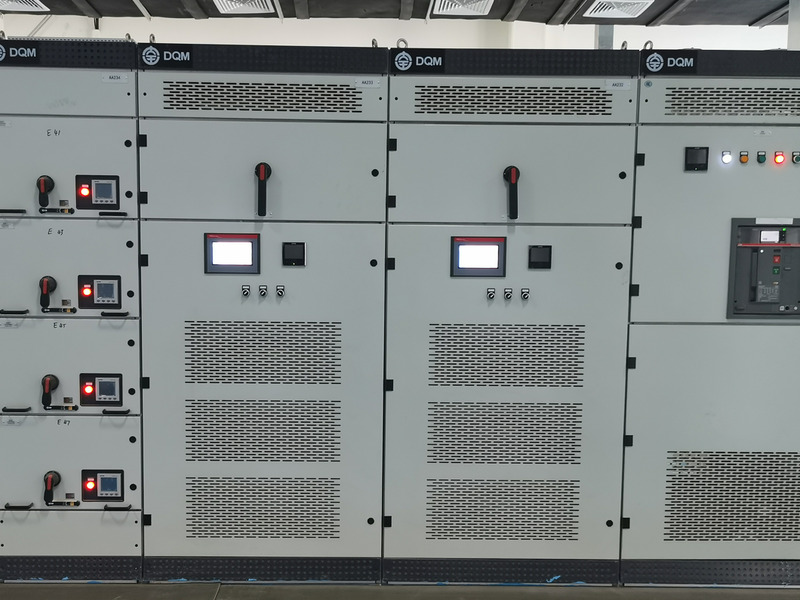
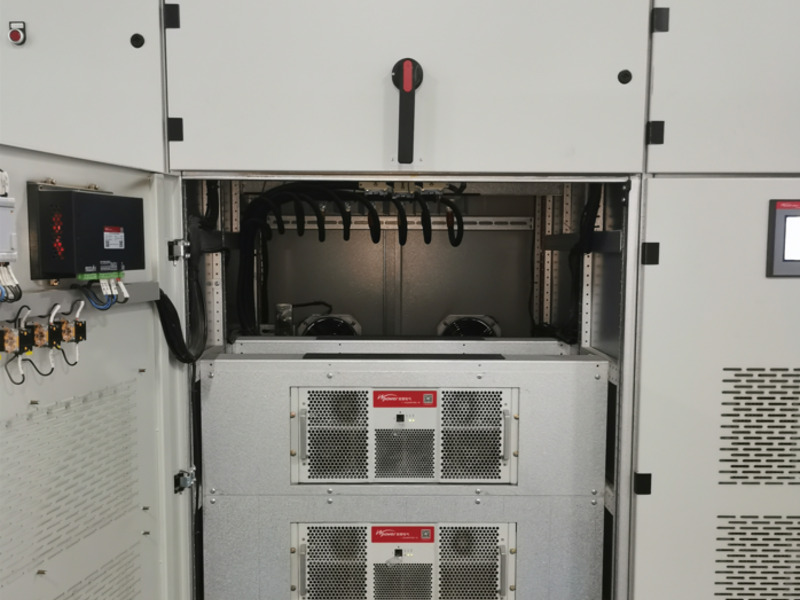
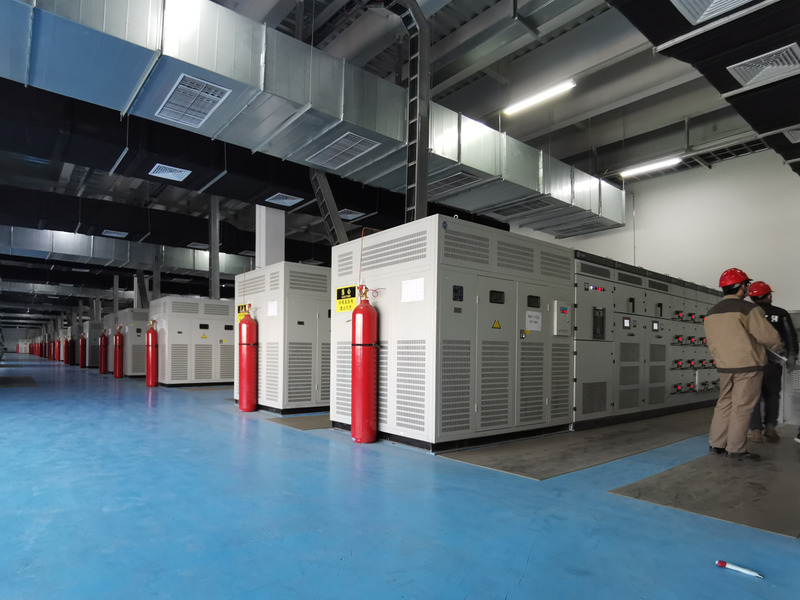
The APF continuously detects harmonic currents in the system and generates compensating currents in the opposite direction for dynamic harmonic mitigation. Meanwhile, the SVG rapidly adjusts reactive power output according to load variations to improve power factor and optimize system operation.
Through coordinated operation, the APF and SVG provide harmonic mitigation and reactive power management for complex industrial loads, improving the overall power distribution environment.
Results
Measurements before and after compensation showed significant improvements:
|
Parameter |
Before Compensation |
After Compensation |
|
THDi |
30.41% |
2.98% |
|
5th Harmonic Current |
463.4 A |
12.4 A |
|
7th Harmonic Current |
126.7 A |
17.5 A |
|
11th Harmonic Current |
76.7 A |
23.5 A |
|
13th Harmonic Current |
70.5 A |
18.1 A |
|
Voltage and Current Waveforms |
|
|
|
Harmonic Current Data |
|
|
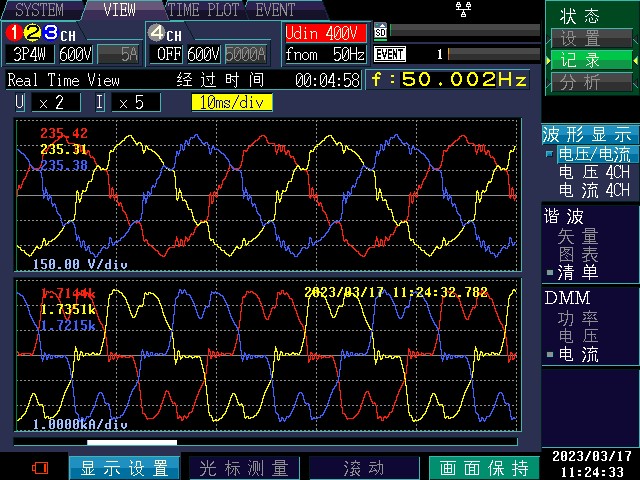
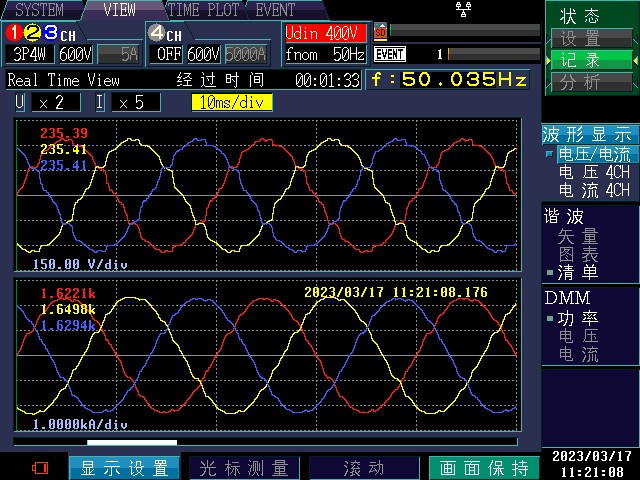
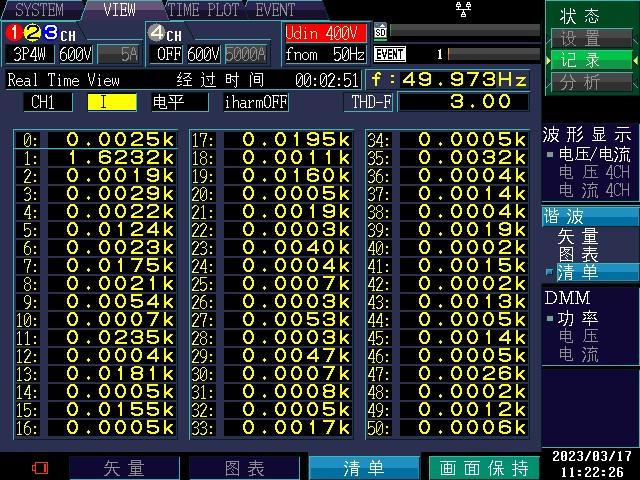
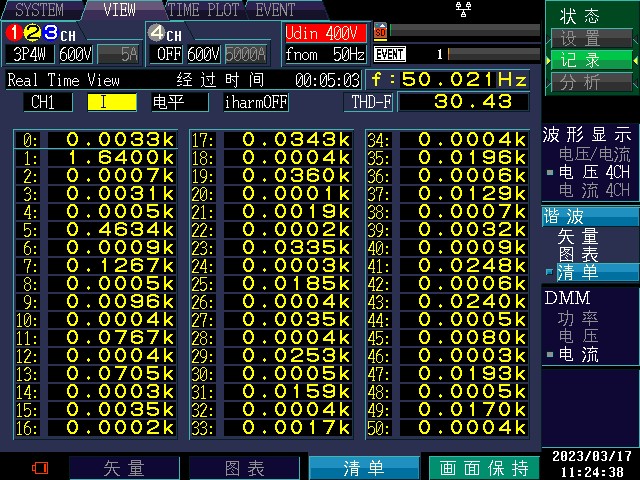
After compensation, the major characteristic harmonic currents were significantly reduced, with THDi decreasing from 30.41% to 2.98%. The improved power quality provides a more reliable electrical environment for the long-term operation of semiconductor manufacturing equipment.
Power Quality for Semiconductor Manufacturing
As crystal growth furnaces, variable-frequency equipment, and other power electronic loads become increasingly common in semiconductor material production, harmonic and reactive power issues are placing higher demands on power distribution systems.
INPOWER provides targeted power quality solutions based on the characteristics of semiconductor manufacturing loads. Through core products such as APF and SVG, INPOWER helps customers mitigate harmonic distortion, optimize distribution system performance, and maintain a stable and reliable power supply for highly automated production processes.

