

Before Deploying 100 kW+ Racks: Reassess Your Power Quality Configuration
Sep 24 /2026
As AI data centers move toward higher rack power densities, power supply and cooling systems are changing at the same time. In this situation, whether the existing power quality configuration is still sufficient cannot be judged simply by how much capacity has been added.
A more reliable review should focus on three things: where the new loads are connected, how the actual harmonic current has changed, and how much usable capacity remains in the existing APF and SVG.
1. Check where the load has changed
New loads are not limited to servers.
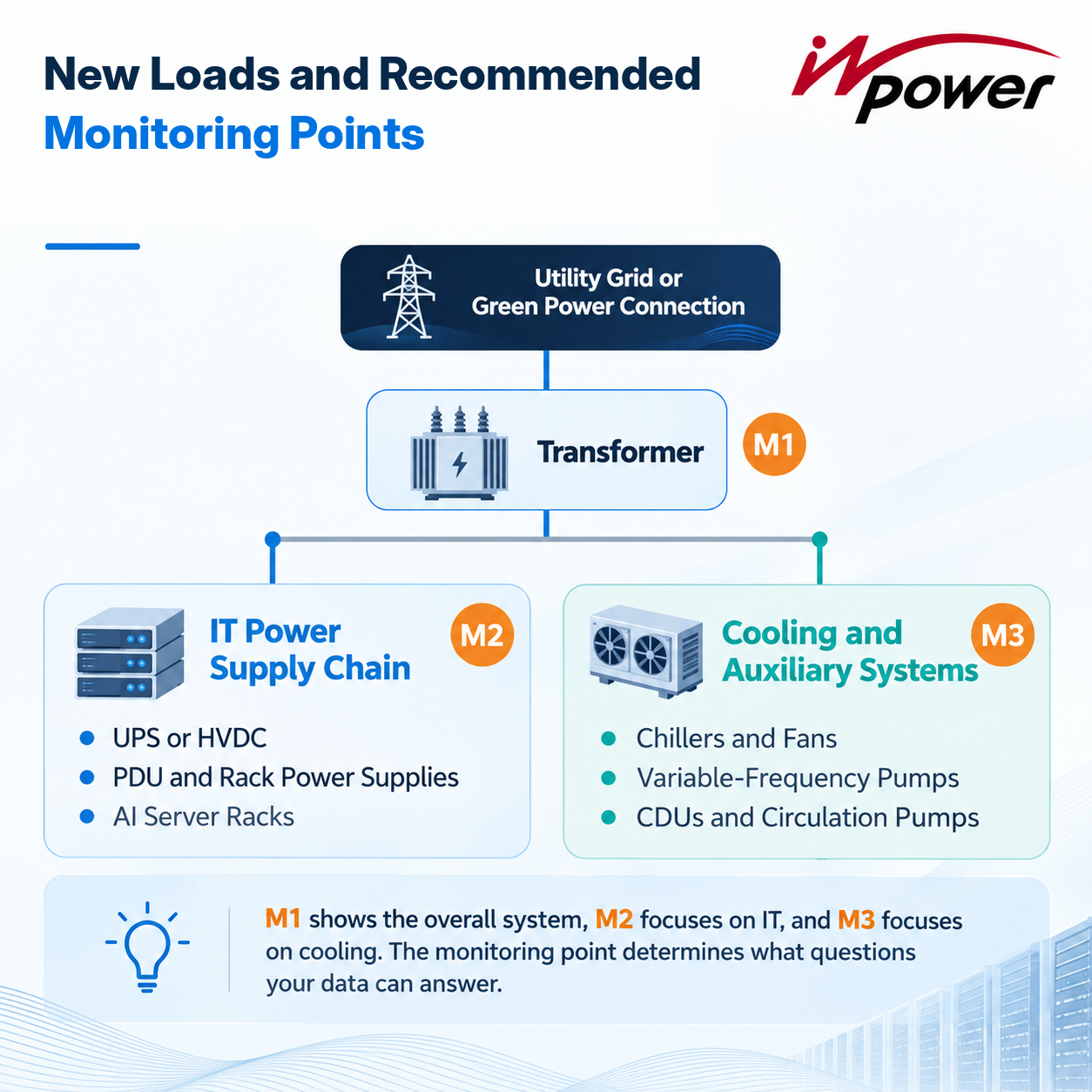
UPS or high-voltage DC systems, PDUs and rack-level power supplies belong to the IT power chain, while CDUs, circulation pumps, chillers and fans belong to cooling and auxiliary systems. These loads may have different operating patterns and connection points.
If new loads bypass existing monitoring points, historical data may no longer represent the expanded system.
2. A lower THDi does not always mean lower harmonic current
THDi is a ratio, so it should not be viewed alone.
For example, if the fundamental current increases from 1,000 A to 1,800 A, while THDi decreases from 18% to 12%, the actual harmonic current still rises from about 180 A to 216 A.
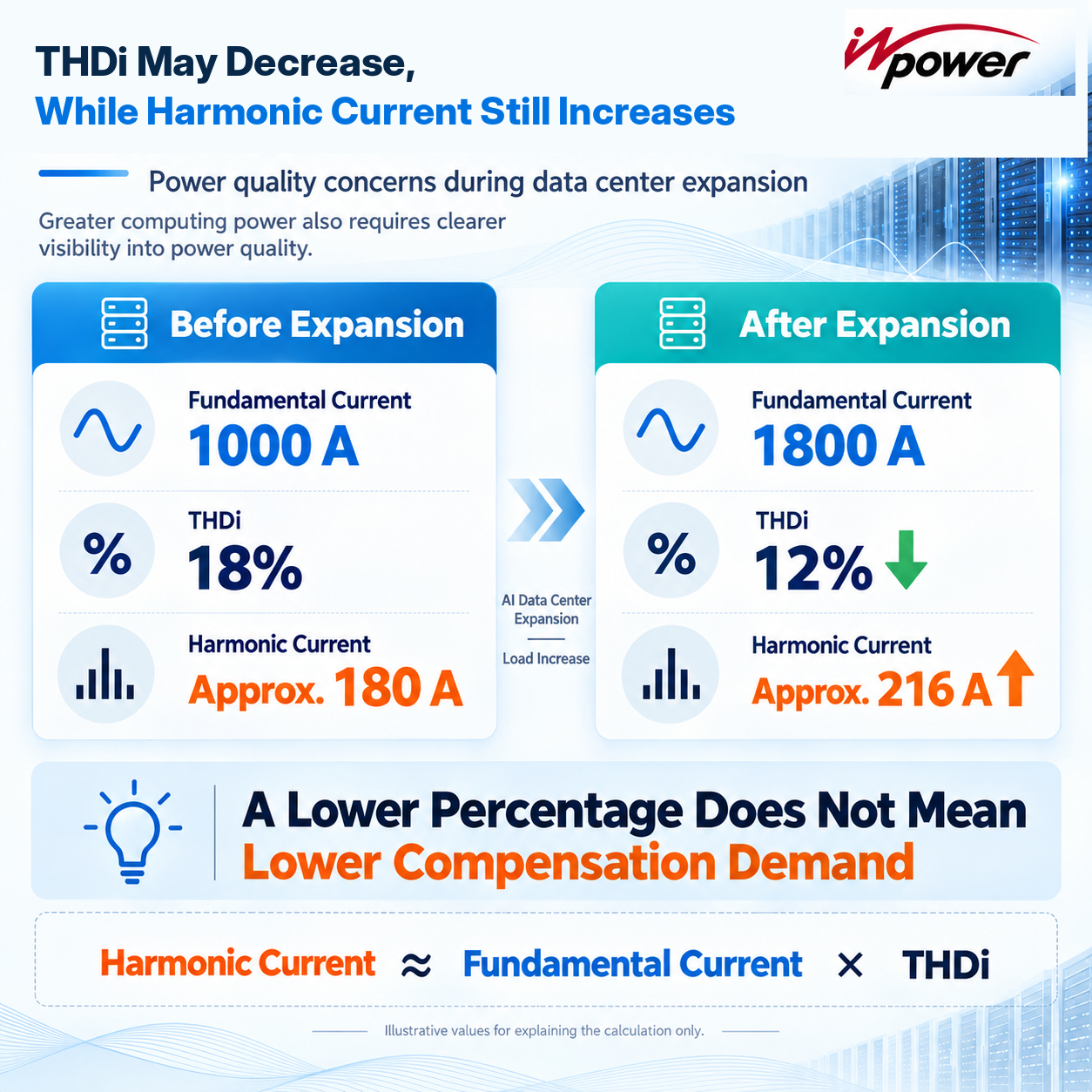
That means the review should include fundamental current, individual harmonic currents and total harmonic current under representative operating conditions.
3. Reassess the available capacity of APF and SVG
The nameplate capacity of an APF is not the same as its remaining usable capacity.
Actual output, current-limiting records, dominant harmonic orders, reactive power compensation, three-phase imbalance, ambient temperature and redundancy requirements can all affect the capacity still available.

Where both harmonic and reactive power demands are increasing, the allocation between APF and SVG should be based on measured operating data rather than expansion ratio alone. If sufficient headroom remains, adjusting control priorities may be enough without adding new equipment.
4. What should be reviewed?
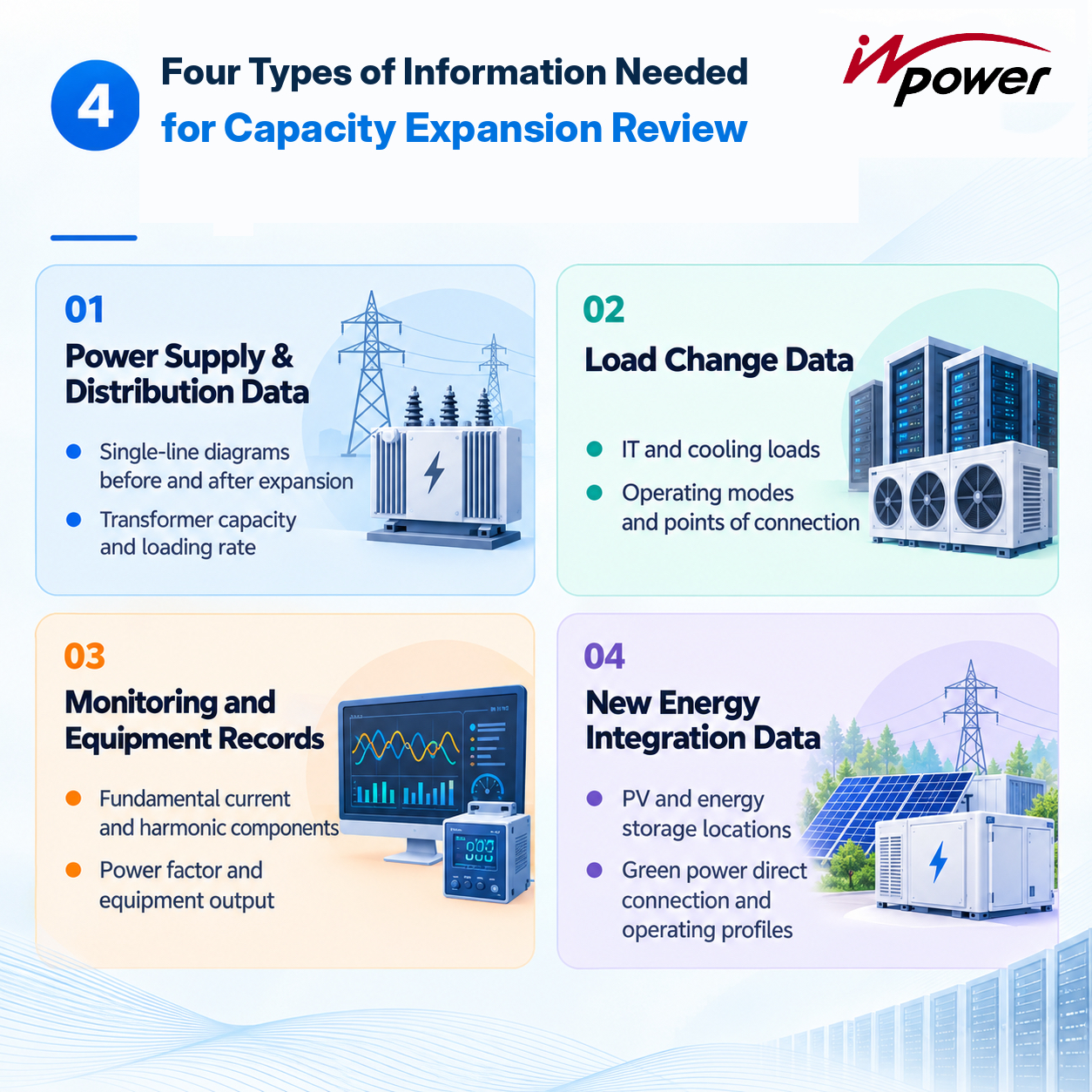
Before making a decision, it is useful to bring the following information together:
- Single-line diagrams, transformer capacity and load rate
- IT and cooling load capacity, operating modes and connection points
- Fundamental current, harmonic current, power factor and APF/SVG operating records
- Connection points and operating curves of PV, energy storage or direct green power systems
For AI data center expansion, the key is not to estimate power quality requirements simply from added capacity, but to reassess the system based on actual load changes and operating data.
-
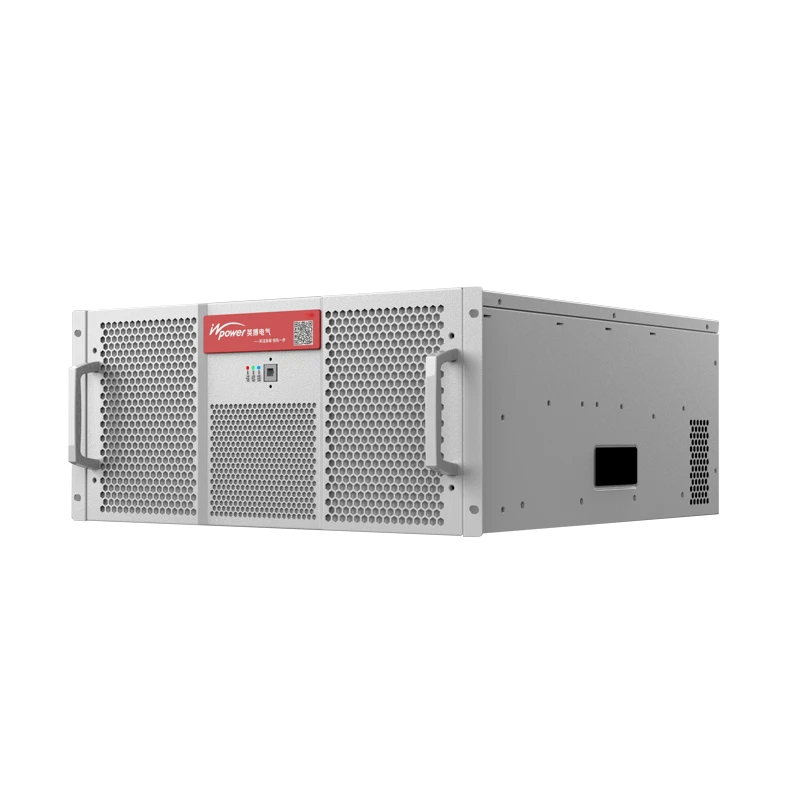
BLUEWAVE Active Power Filter
The BLUEWAVE 3-Level Active Power Filter utilizes advanced digital control and IGBT-based power electronics to monitor and neutralize harmonics in real time. By injecting an equal and opposite compensation current, it ensures a clean, fundamental frequency supply for non-linear loads.
-
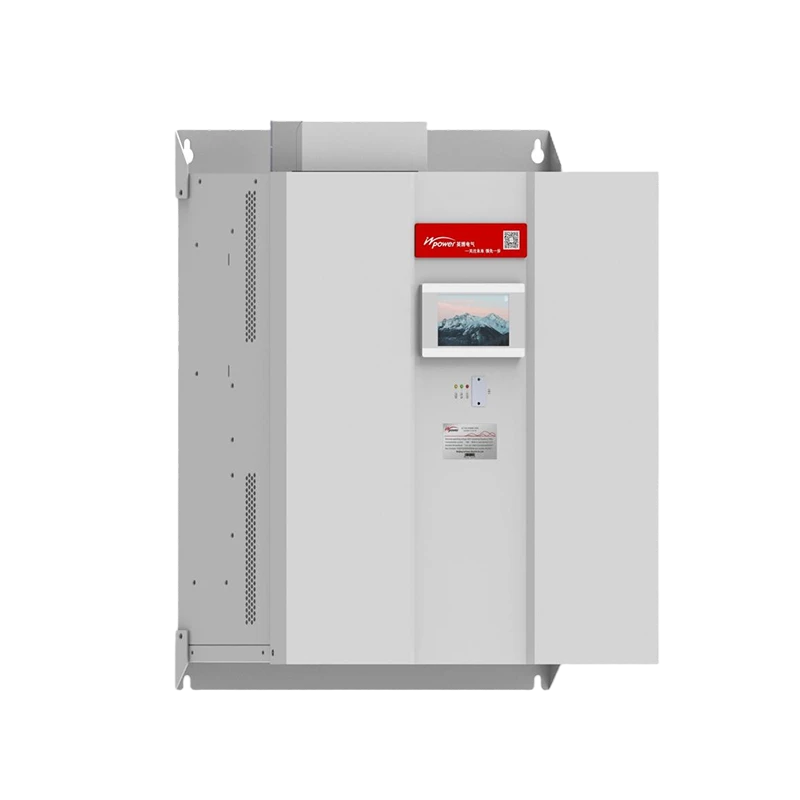
INPSVG LV Static Var Generator
The INPSVG is a dynamic reactive power compensation solution based on power electronics technology. It provides bidirectional and stepless reactive power regulation with fast response, maintaining stable power factor performance without over- or under-compensation.
-
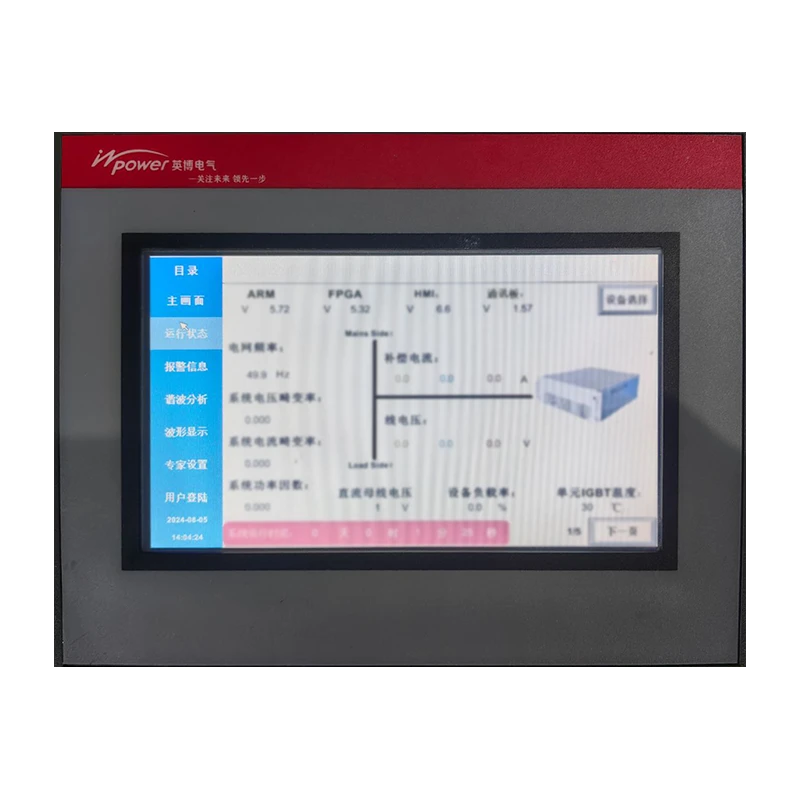
LSVG-2000 Dynamic Filtering and Compensation Controller
LSVG-2000 Dynamic Filtering and Compensation Controller is a controller specially tailored for IN-POWER series products, and widely used in active power filtering, automatic reactive power compensation, and other fields. The most significant feature is the ability to unify the control of active filters and static var generators according to the comprehensive management goals of system power quality in order to improve the system power factor, reduce the system current distortion rate, and optimize the system three-phase unbalance.
-
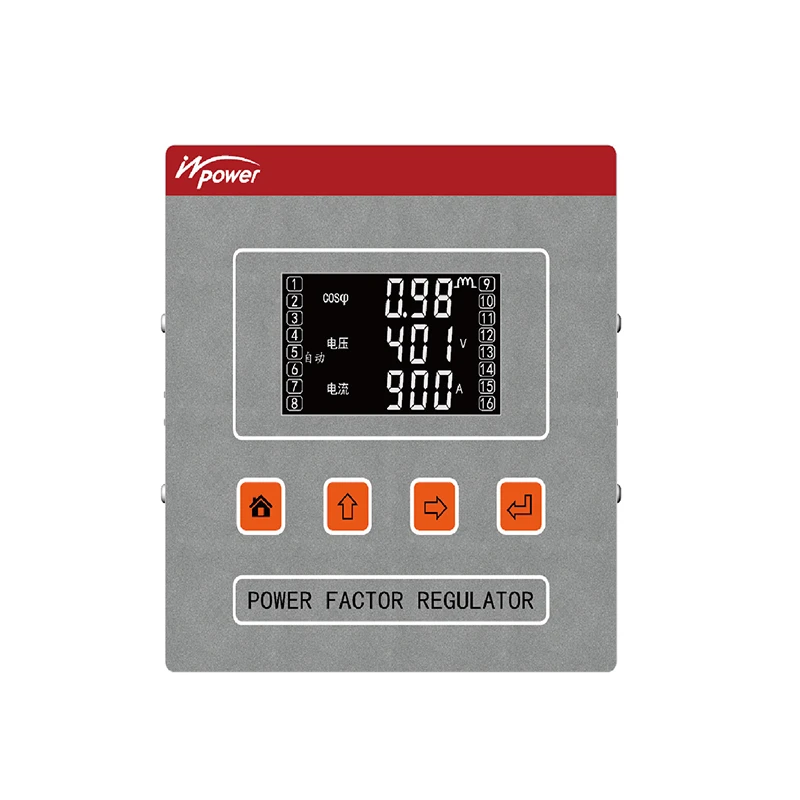
BKU Power Factor Controller
The BKU series is a high-performance reactive power compensation controller designed for low-voltage power systems from 0.20 kV to 0.75 kV. Powered by a 32-bit ARM processor, it provides precise reactive power control, stable operation, and efficient power factor improvement with a compact and reliable design.
-
Previous:
None
Latest News
-

Before Deploying 100 kW+ Racks: Reassess Your Power Quality Configuration
As AI data centers move toward higher rack power densities, is the existing power quality configuration still sufficient? Before adding new equipment, it is worth reassessing where the loads have changed, how harmonic current has shifted, and how much usable APF and SVG capacity remains.
-
Harmonics from Large Chillers: Centralized or Point-of-Use Compensation?
High-frequency UPS systems can introduce capacitive reactive power into data center distribution systems, creating new challenges for power factor control and resonance management.
-
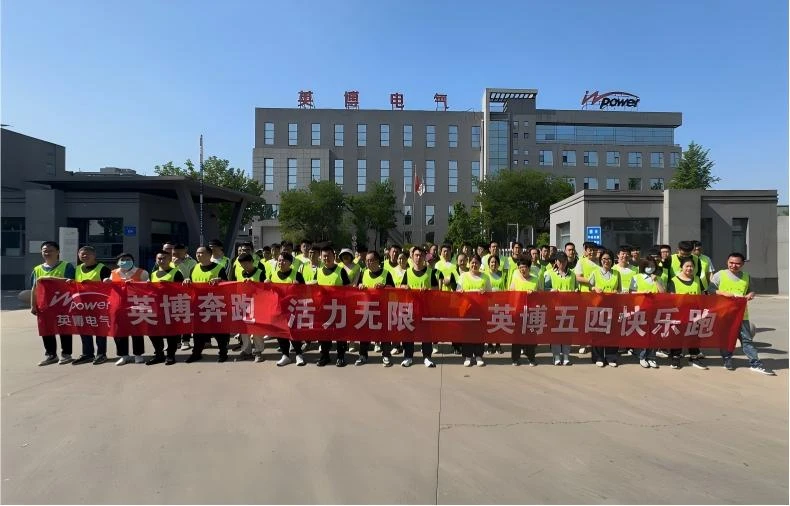
INPOWER Holds Its Second Employee Health Run
INPOWER recently held its second Employee Health Run, bringing together hundreds of employees for a 6-kilometer event at the company’s industrial park.

