

Can Active Power Filters Effectively Mitigate Even-Order Harmonics?
Nov 04 /2026
In harmonic measurement results from industrial sites, odd-order harmonics such as the 5th, 7th, 11th, and 13th are relatively common, while even-order harmonics such as the 2nd and 4th are less common.
So, when significant even-order harmonics are detected on site, can an Active Power Filter (APF) compensate for them effectively?
When the negative half-cycle of a current waveform has the same magnitude as the positive half-cycle but the opposite direction, the waveform is said to have "half-wave symmetry." When such a waveform is decomposed into its harmonic components, even-order harmonics cancel out. As a result, measurements on site typically show predominantly odd-order harmonics.
When this symmetry is disrupted, even-order harmonics such as the 2nd and 4th may become significant. Half-wave rectification, asymmetrical rectification, inconsistent triggering or conduction of power devices, and asymmetric operating conditions in certain loads can all cause even-order harmonics to appear in the current spectrum.
Therefore, although relatively uncommon, even-order harmonics are a real challenge that APFs may encounter in complex operating environments.
The 2nd Harmonic Reached 265 A, Exceeding the 5th Harmonic
INPOWER's field measurement data, collected before and after harmonic mitigation, provides a clear example.
Before mitigation, the fundamental current in the measurement channel was 2,394.9 A, and the current total harmonic distortion (THDi) reached 14.39%.
Among the measured components, the 2nd harmonic current was 265.0 A, equivalent to approximately 11.1% of the fundamental current. The 4th harmonic current was 118.9 A.
The 5th harmonic current, which typically receives more attention, was 157.4 A. In other words, the most prominent harmonic component at this site was not the commonly observed 5th or 7th harmonic, but the 2nd harmonic.
From 265 A to 5 A: Effective Mitigation of Even-Order Harmonics
INPOWER APFs cover harmonic orders from the 2nd to the 51st. The equipment detects harmonic currents generated by the load in real time, identifies the target harmonic components, and injects compensating currents in the opposite direction. Its compensation capability is not limited to common odd-order harmonics.
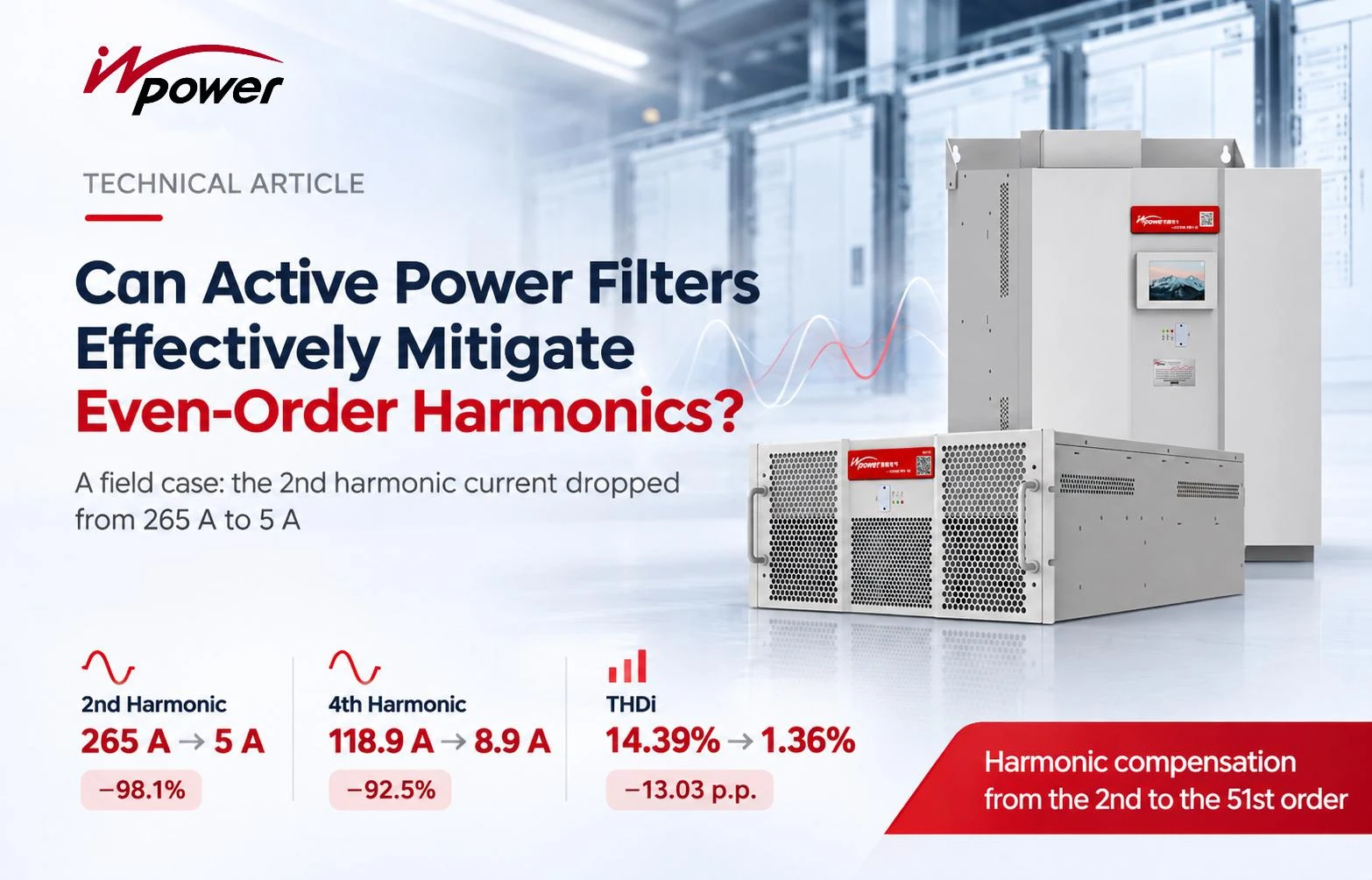
After the equipment was put into operation, the 2nd harmonic current dropped from 265.0 A to 5.0 A, a reduction of approximately 98.1%. The 4th harmonic current fell from 118.9 A to 8.9 A, a reduction of approximately 92.5%.
At the same time, the 5th harmonic decreased from 157.4 A to 7.4 A, while the 7th and 11th harmonics were also significantly reduced. System THDi fell from 14.39% to 1.36%, a decrease of 13.03 percentage points.
These results show that even when even-order harmonics are prominent in the current spectrum, an APF can still dynamically compensate for the targeted harmonic components, reducing both the major even- and odd-order harmonic currents in the system.
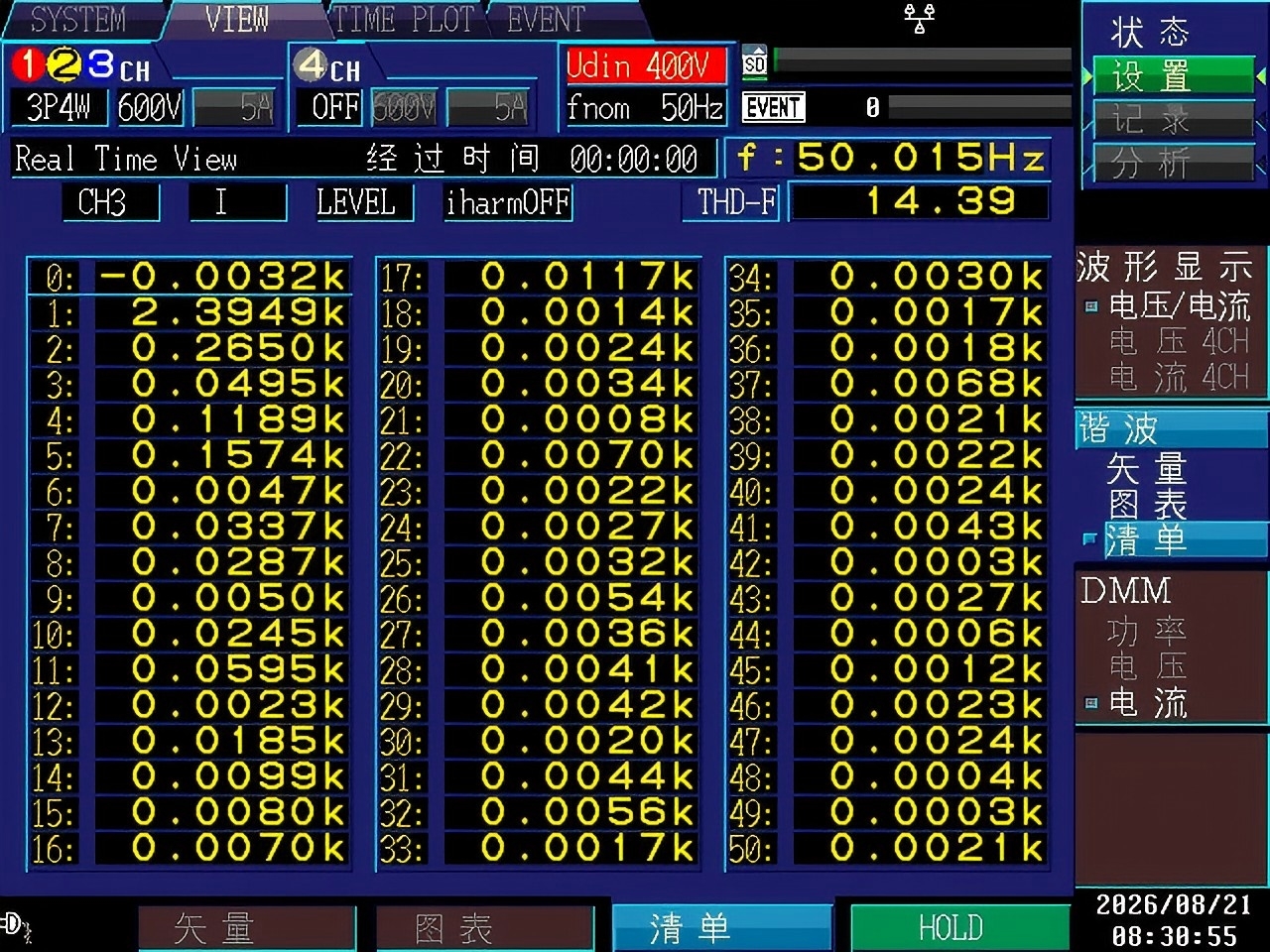
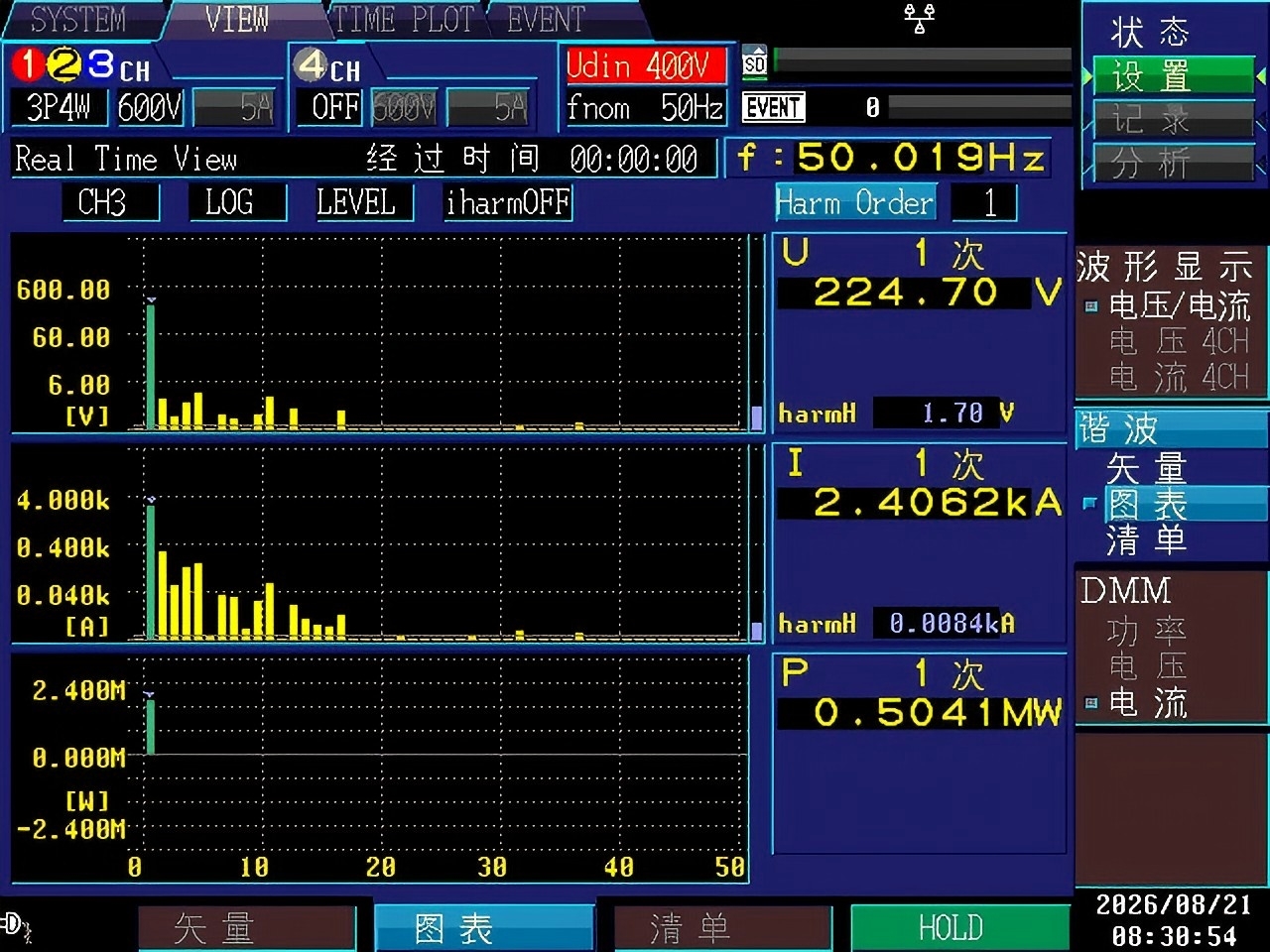
Before Mitigation
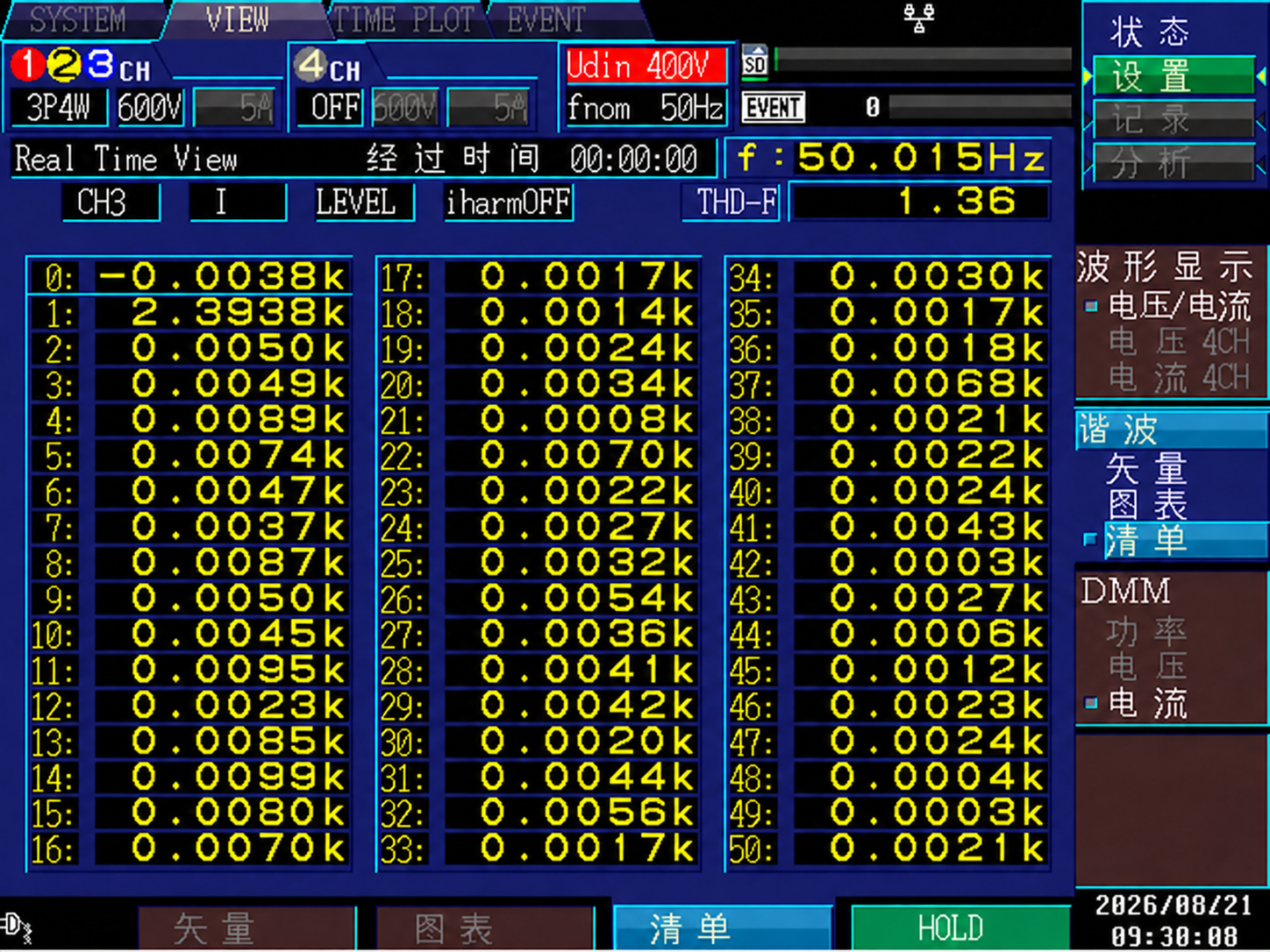
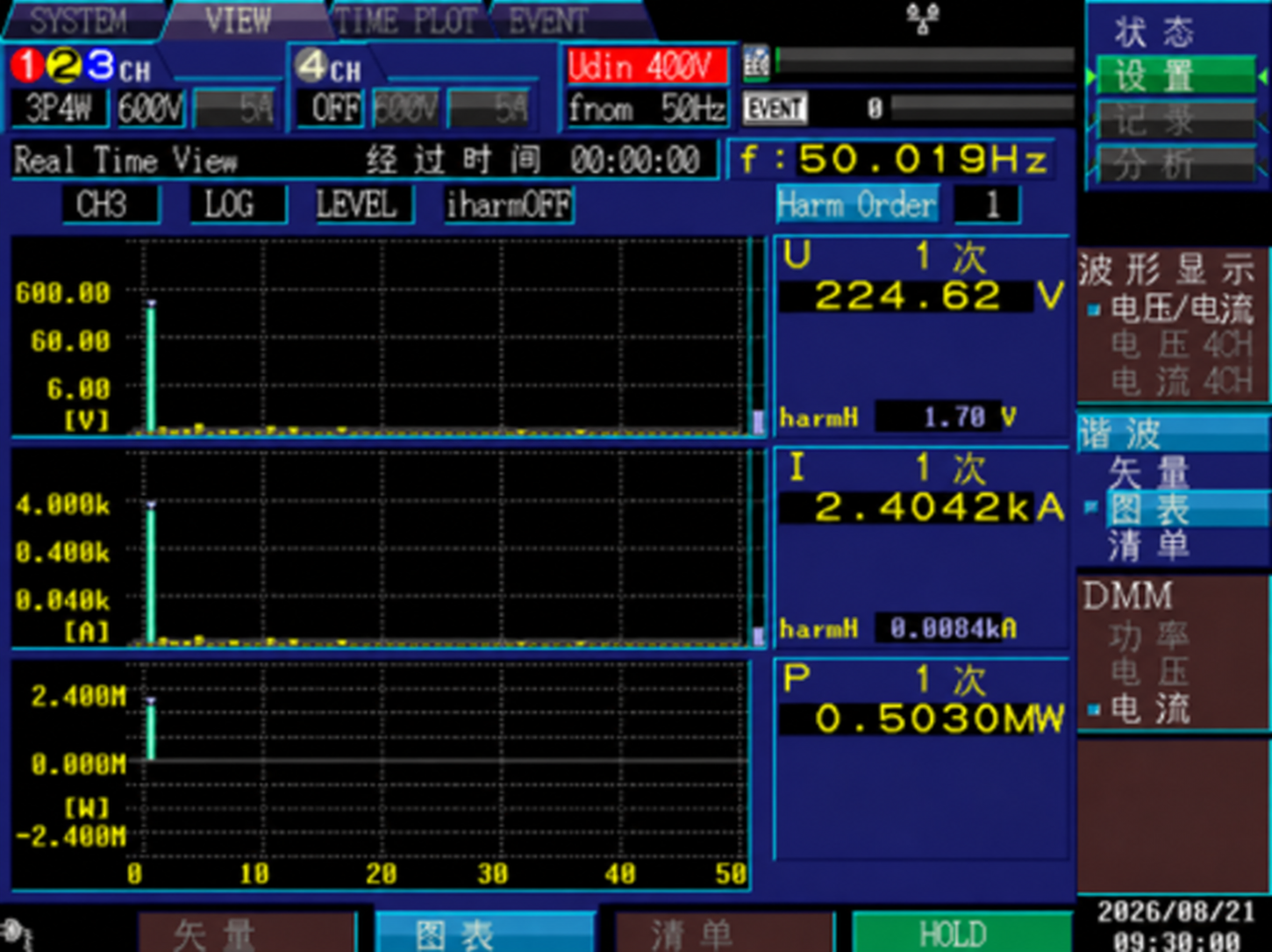 After Mitigation
Filter Performance Should Not Be Judged by Common Harmonic Orders Alone
The circuit topology, control methods, and operating conditions vary across different loads, so their harmonic spectra are not identical. Some systems are dominated by odd-order harmonics such as the 5th, 7th, 11th, and 13th, while certain specialized loads may produce significant even-order harmonics such as the 2nd and 4th.
Therefore, APF performance should not be judged solely by its ability to mitigate common odd-order harmonics. It is also important to assess whether the equipment can accurately identify and compensate for harmonic currents across different orders.
INPOWER APFs can mitigate not only common odd-order harmonics but also complex harmonic spectra with prominent even-order components, providing compensation capabilities for different load conditions.
INPOWER provides power quality measurement, harmonic analysis, solution design, equipment configuration, and project implementation services. Contact us to discuss and assess power quality issues at your site.
-
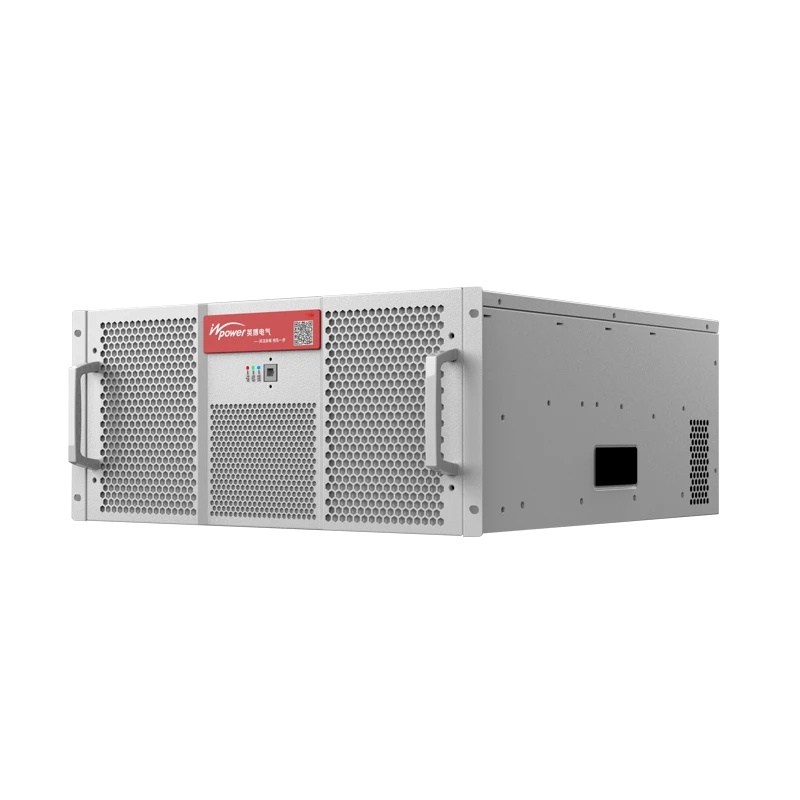
BLUEWAVE Active Power Filter
The BLUEWAVE 3-Level Active Power Filter utilizes advanced digital control and IGBT-based power electronics to monitor and neutralize harmonics in real time. By injecting an equal and opposite compensation current, it reduces harmonic distortion and improves current waveform quality in systems with nonlinear loads.
-
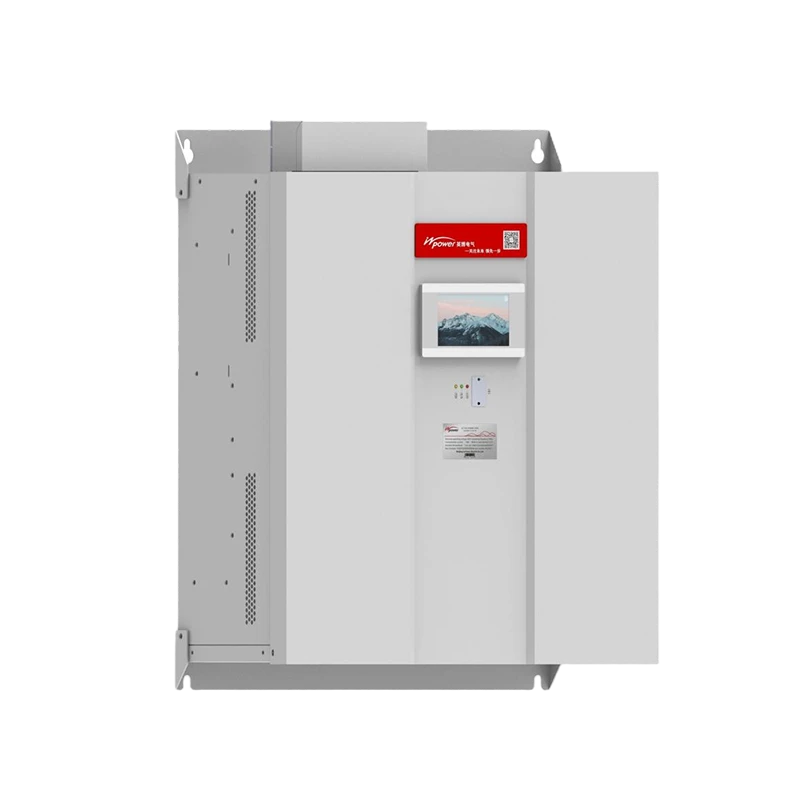
INPSVG LV Static Var Generator
The INPSVG is a dynamic reactive power compensation solution based on power electronics technology. It provides bidirectional and stepless reactive power regulation with fast response, maintaining stable power factor performance without over- or under-compensation.
-
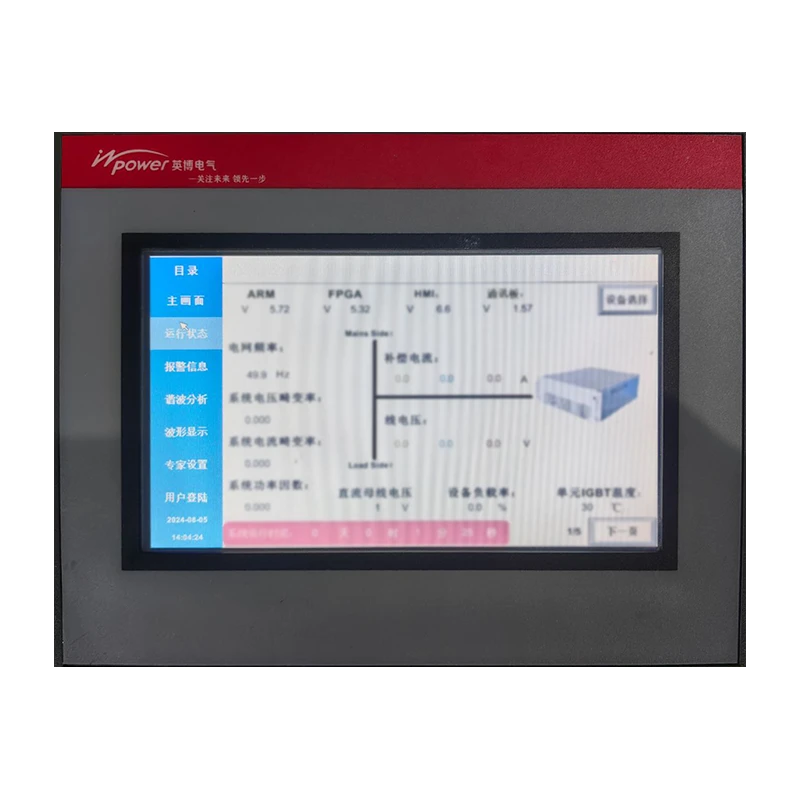
LSVG-2000 Dynamic Filtering and Compensation Controller
The LSVG-2000 Dynamic Filtering and Compensation Controller is designed for coordinated power quality management in active filtering and reactive power compensation systems. It enables unified control of APF and SVG units based on system operating conditions, helping improve power factor, reduce current harmonic distortion, and mitigate three-phase unbalance. The controller is suitable for industrial power systems requiring integrated monitoring and coordinated compensation.
-
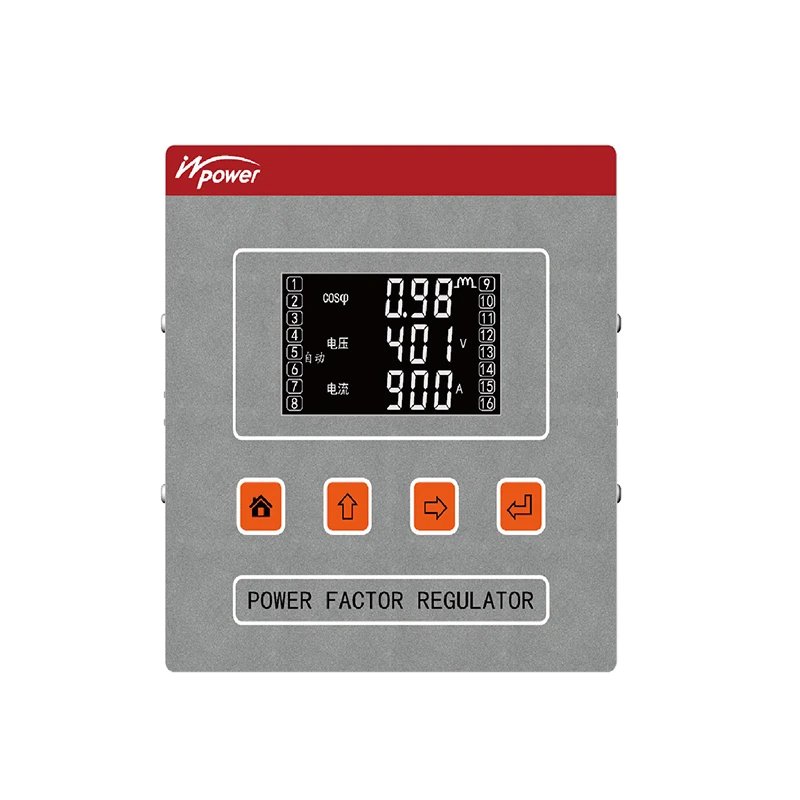
BKU Power Factor Controller
The BKU series is a high-performance reactive power compensation controller designed for low-voltage power systems from 0.20 kV to 0.75 kV. Powered by a 32-bit ARM processor, it provides precise reactive power control, stable operation, and efficient power factor improvement with a compact and reliable design.
-
Previous:
None
Latest News
-
Can Active Power Filters Effectively Mitigate Even-Order Harmonics?
Can APFs effectively mitigate prominent 2nd and 4th harmonics?
-

Before Deploying 100 kW+ Racks: Reassess Your Power Quality Configuration
What should be reassessed when AI rack power increases?
-
Harmonics from Large Chillers: Centralized or Point-of-Use Compensation?
How should harmonic compensation be configured for large chillers?