

What Is Voltage Sag?
Sep 01 /2026
Voltage sag is a common power quality disturbance that can last for only a fraction of a second but may cause significant disruption to industrial operations.
According to GB/T 30137-2013, Power Quality — Voltage Dips and Short Interruptions, voltage sag refers to a sudden reduction in the RMS value of power frequency voltage to 0.1–0.9 p.u., lasting from 10 ms to 1 min before returning to normal.
Although a voltage sag may last only tens or hundreds of milliseconds, this brief disturbance can cause equipment shutdowns, production interruptions, and even product losses in highly automated facilities.
What Causes Voltage Sag?
Voltage sag is typically an intermittent and unpredictable power quality event. Common causes include:
Power system faults: Short circuits, single-phase-to-ground faults, and other faults in transmission and distribution systems can cause voltage drops.
Large motor starting: Large motors can draw high starting currents, potentially causing temporary voltage drops when the grid capacity is limited.
Severe weather: Lightning, heavy rain, and strong winds may damage power lines or electrical equipment and trigger voltage disturbances.
External events: Construction damage, traffic accidents, and incorrect operations can also lead to power system faults and voltage sags.
Since these events cannot be completely eliminated, protecting critical loads from their impact is an important part of power quality management.
Why Does Voltage Sag Matter?
Modern industrial facilities rely heavily on PLCs, variable frequency drives, servo systems, automation controllers, and other voltage-sensitive equipment.
When voltage sag occurs, sensitive equipment may experience control system resets, contactor dropouts, motor shutdowns, or production interruptions. In industries such as semiconductor manufacturing, food processing, metallurgy, and precision manufacturing, even a short interruption may result in material losses, equipment downtime, and costly production recovery.
For data centers, research facilities, and other critical applications, voltage disturbances may also affect the stable operation of servers, precision instruments, and other sensitive loads.
How Can Voltage Sag Be Mitigated?
Voltage sag mitigation can be addressed through both utility-side improvements and user-side protection.
While improvements to the power supply system can help reduce the impact of voltage disturbances, users can also install dedicated voltage compensation equipment to protect critical loads.
A Dynamic Voltage Restorer (DVR) continuously monitors the supply voltage and rapidly compensates for voltage deviations when a disturbance occurs, helping maintain a stable voltage for protected equipment.
INPAVC: Fast Voltage Compensation for Critical Loads
INPAVC Dynamic Voltage Restorer consists primarily of a voltage source inverter, bypass system, and energy storage components. Installed in series between the power supply and protected load, it can respond rapidly when a voltage sag is detected.
By drawing energy from its built-in energy storage system and injecting the required compensating voltage through power electronic conversion, INPAVC helps maintain stable voltage at the load side during grid disturbances.
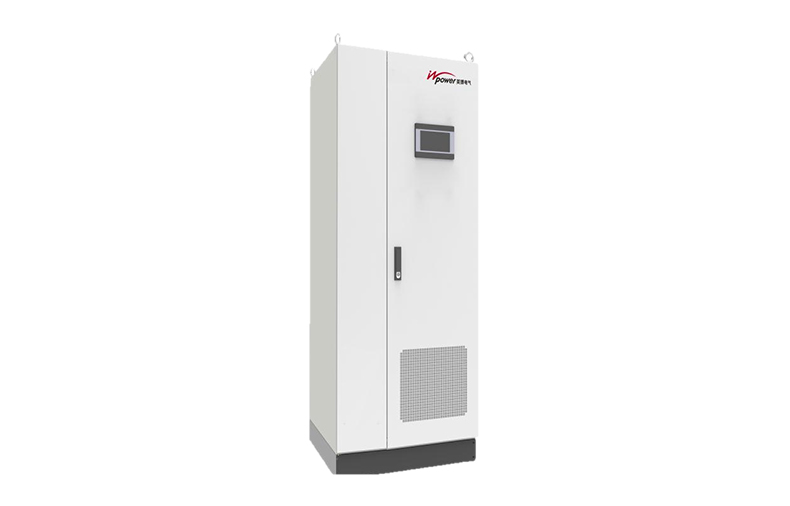
For semiconductor manufacturing, food processing, metallurgy, precision manufacturing, research facilities, and other voltage-sensitive applications, INPAVC helps reduce equipment shutdowns and production interruptions caused by voltage sag, providing reliable voltage protection for critical loads.
-
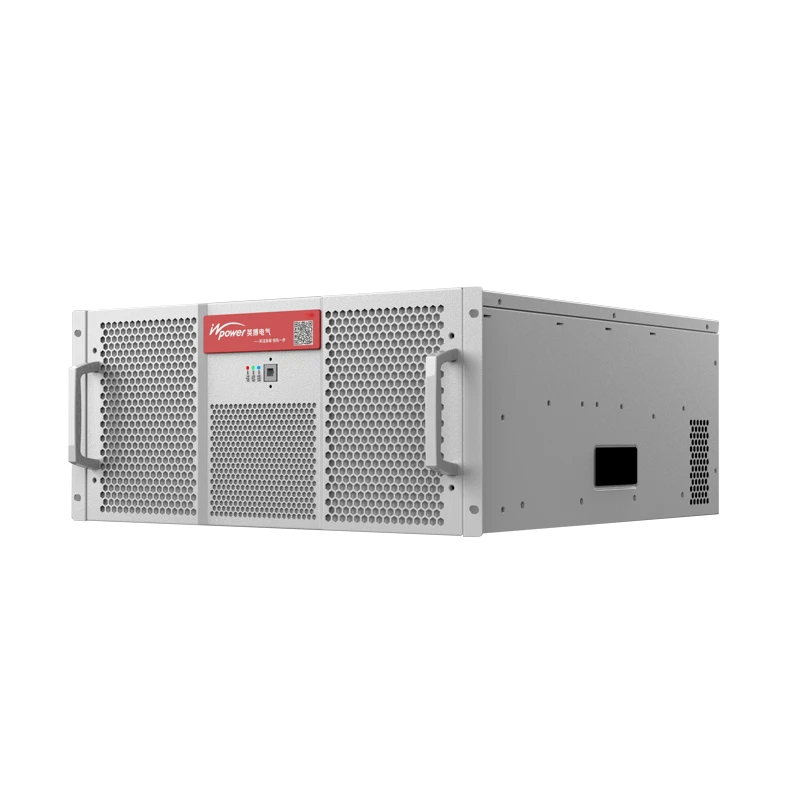
BLUEWAVE Active Power Filter
The BLUEWAVE 3-Level Active Power Filter utilizes advanced digital control and IGBT-based power electronics to monitor and neutralize harmonics in real time. By injecting an equal and opposite compensation current, it ensures a clean, fundamental frequency supply for non-linear loads.
-
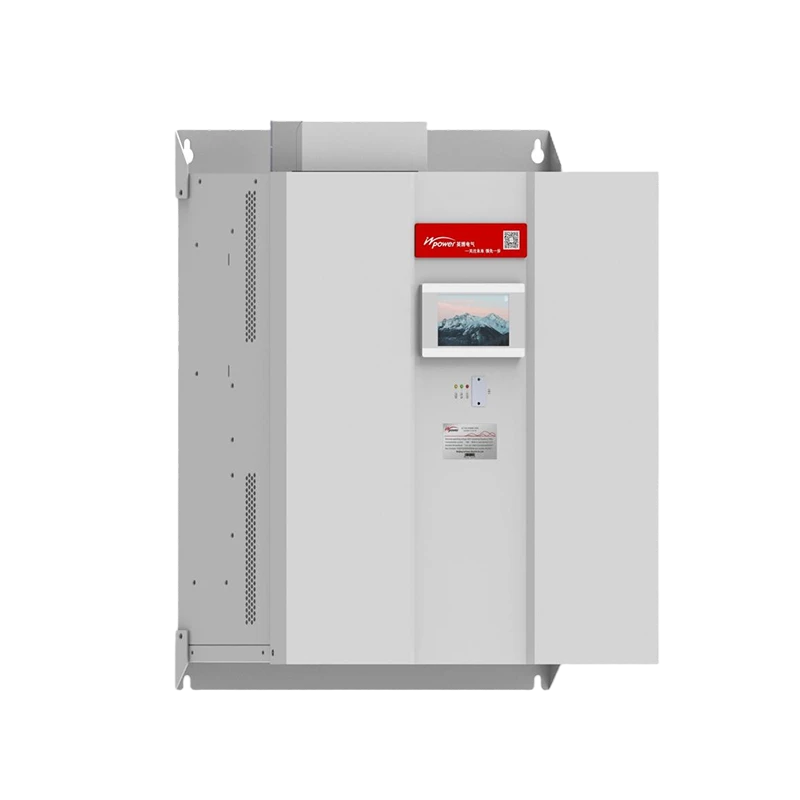
INPSVG LV Static Var Generator
The INPSVG is a dynamic reactive power compensation solution based on power electronics technology. It provides bidirectional and stepless reactive power regulation with fast response, maintaining stable power factor performance without over- or under-compensation.
-
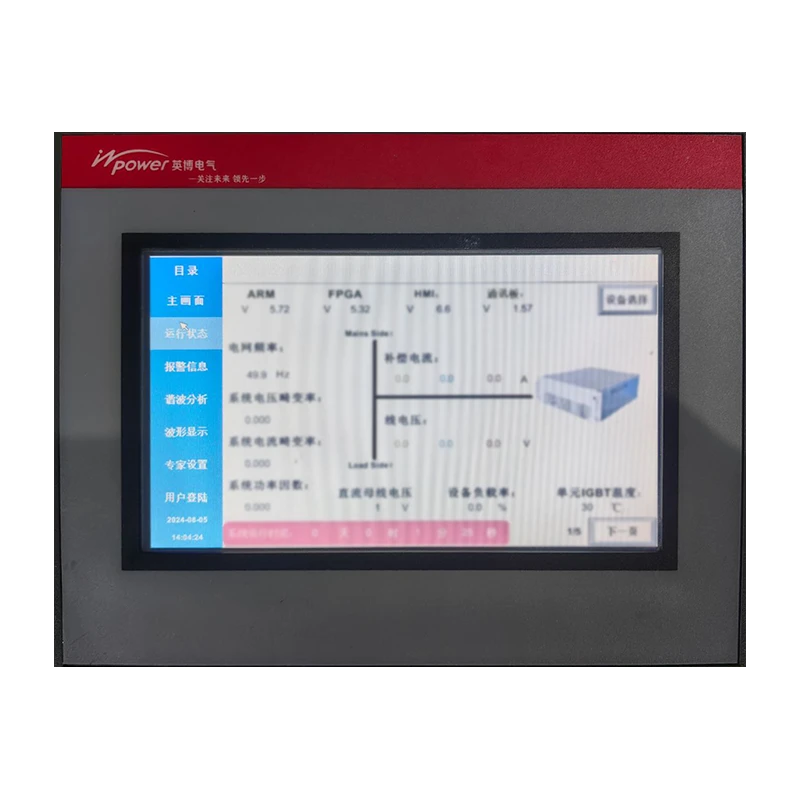
LSVG-2000 Dynamic Filtering and Compensation Controller
LSVG-2000 Dynamic Filtering and Compensation Controller is a controller specially tailored for IN-POWER series products, and widely used in active power filtering, automatic reactive power compensation, and other fields. The most significant feature is the ability to unify the control of active filters and static var generators according to the comprehensive management goals of system power quality in order to improve the system power factor, reduce the system current distortion rate, and optimize the system three-phase unbalance.
-
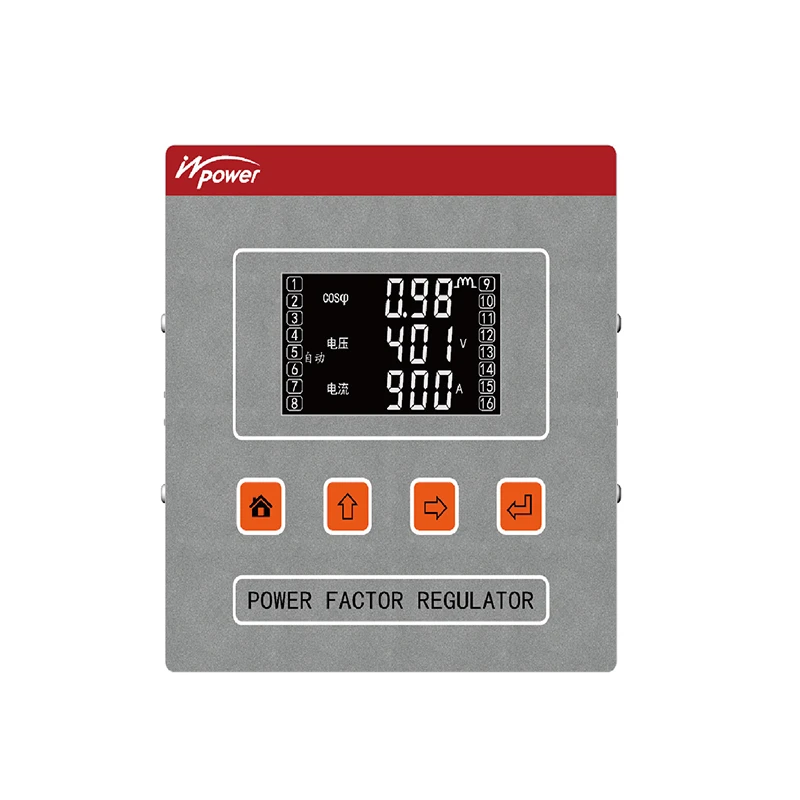
BKU Power Factor Controller
The BKU series is a high-performance reactive power compensation controller designed for low-voltage power systems from 0.20 kV to 0.75 kV. Powered by a 32-bit ARM processor, it provides precise reactive power control, stable operation, and efficient power factor improvement with a compact and reliable design.
-
Previous:
None
Latest News
-
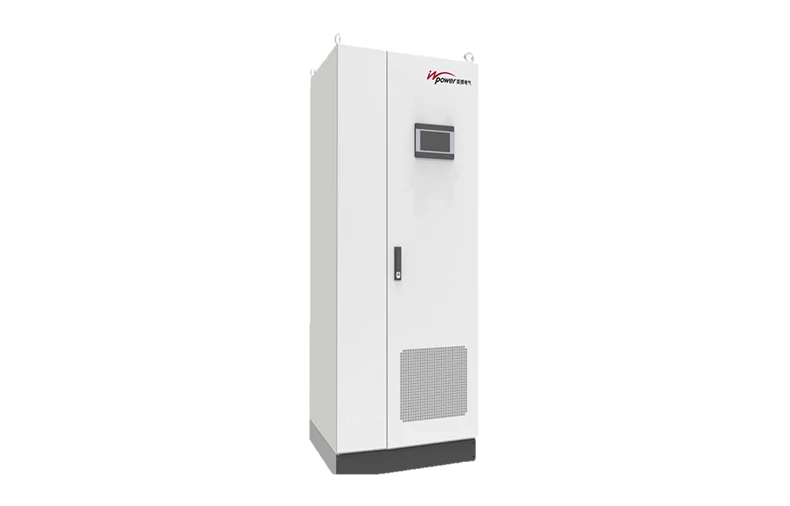
Voltage sag is a common power quality disturbance that can last for only a fraction of a second but may cause significant disruption to industrial operations.
-
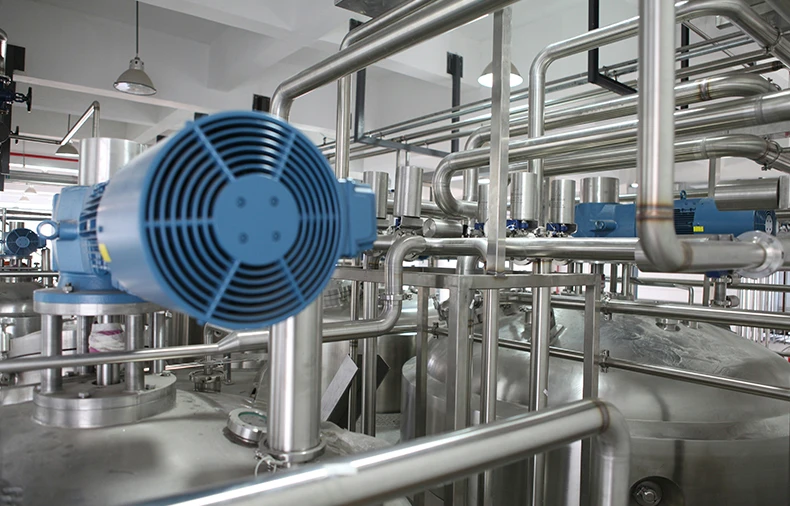
Large Induction Motors and Voltage Sag: How Do They Affect Each Other?
Large induction motors are widely used in industrial applications such as metallurgy, petrochemicals, mining, and cement production. They drive critical equipment including pumps, fans, compressors, and mills, making stable motor operation essential to production continuity.
-
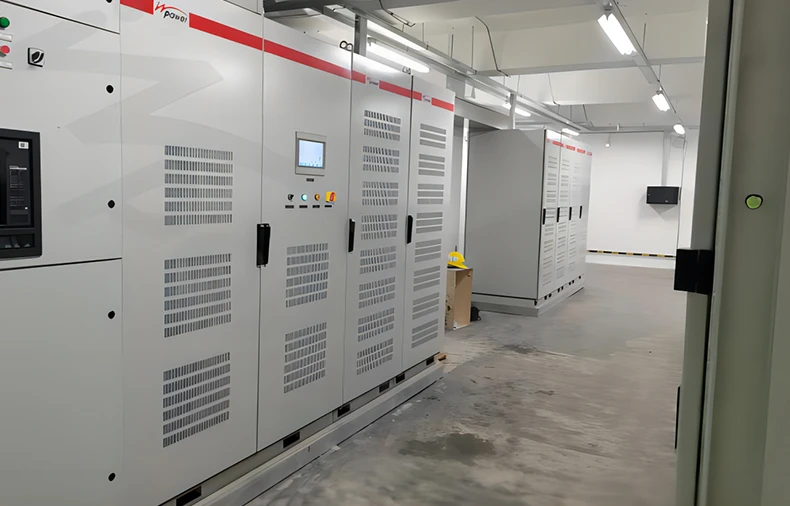
New Challenges Brought by High-Frequency UPS: How Can Data Centers Manage Capacitive Reactive Power?
For data centers, UPS (Uninterruptible Power Supply) is essential for ensuring the continuous operation of critical IT equipment. With the rapid growth of digital services and increasing data processing demands, high-frequency UPS systems are widely adopted for their high efficiency, compact design, and improved performance.

